How safe moving in Nairobi is priced
As a rule, price depends mainly on weight, stairs and distance. Therefore we ask for the make, model or approximate weight, check access at both ends and then agree the price with you in writing before the day.

Safes · strong rooms · machines · gym equipment · generators
KejaPal are safe movers in Nairobi who plan and carry out heavy lifts for homes, offices, banks, shops and workshops. We move safes, small machines, generators and gym equipment with the right people, the right tools and a written plan for every step.
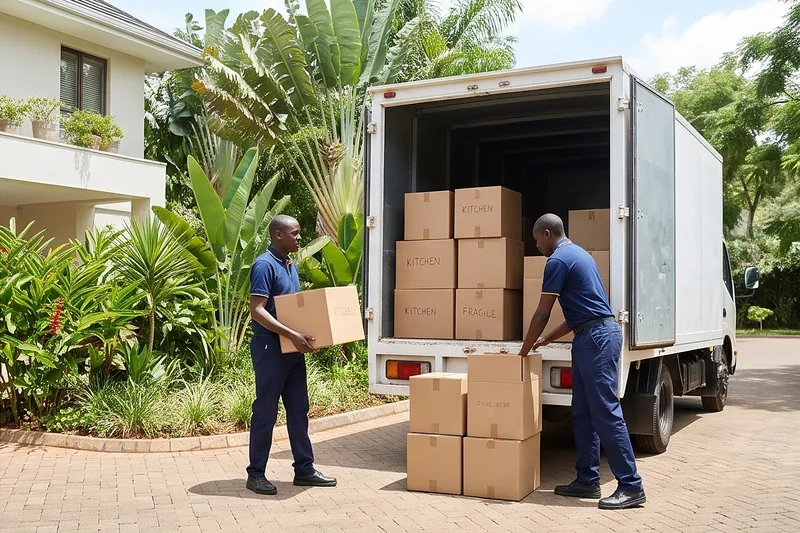
Heavy items are dangerous to move, which is why people call specialist safe movers in Nairobi rather than general helpers. A small home safe can weigh 80 kg, while an office safe can weigh 500 kg or more. Machines, generators and gym equipment are just as heavy and often awkward to grip. If one slips, it can injure people, break stairs, crack floor tiles or crush a door frame.
In other words, heavy lifts need planning, not just strong arms. This page explains how we move safes and other heavy items, what affects the price and how to prepare your premises.
Common problems
Common problems
Because every building is different, every heavy job starts with a survey. Our safe movers in Nairobi check the weight of the item, the route out of the building, the route into the new one and the ground in between.
Common problems
As a rule, price depends mainly on weight, stairs and distance. Therefore we ask for the make, model or approximate weight, check access at both ends and then agree the price with you in writing before the day.
Heavy lifts carry real risk. Therefore our crew follows strict rules. Nobody stands below a heavy item on stairs. Every lift has a person in charge who calls each move. Straps and trolleys are checked before every job. In addition, we keep other people, especially children, away from the route until the lift is complete.
Employers in Kenya have a duty to protect workers during manual handling. You can read the general rules on the Ministry of Labour website. We apply the same care to our own crew and to everyone in your building.
A safe usually holds valuables or documents. So we recommend emptying it before the move, or at least removing cash and the most valuable items. If the safe must travel full, tell us in advance; we can arrange for one of your staff to travel with it. We never ask for combinations or keys, and the safe stays locked throughout.
For banks, SACCOs and offices, we can also follow your own security procedures, such as named crew lists and escorts. Our safe movers in Nairobi are used to working under those rules.
Before the move, a qualified technician should disconnect power, air or water lines and secure moving parts. After that, we lift and move the machine on skates or a pallet jack, load it with a tail-lift or crane, and set it in place at the new site. The technician then reconnects and tests it.
For full shop or warehouse moves, see our commercial moving page.
Home gyms have become popular. However, treadmills and multi-gyms are surprisingly heavy. Many treadmills fold, but the motor base still weighs 70 to 120 kg. So we fold or partly dismantle machines where the maker allows, then carry the heavy parts with straps. Weight plates travel in small, strong boxes, never loose in the truck.
Generators are heavy, oily and often sit outside on a concrete base. Before the move, a qualified electrician should disconnect the generator from the building and drain or secure the fuel. After that, our crew lifts it with straps or a tail-lift and secures it upright in the truck. At the new site, the electrician reconnects it once it is placed. Similarly, we move water tanks (empty), outdoor gym frames and large planters with the same careful planning.
Common problems
Most accidents with heavy items come from the same few mistakes. For example, people often underestimate the weight, so too few hands try to lift too much. Others drag safes across tiles, which cracks the floor. Some forget the stairs at the new home, so the item gets stuck halfway. Finally, many people rest heavy items on soft ground or wooden decks, which then sink or break.
A short survey avoids all of these. That is why our safe movers in Nairobi always visit or ask for clear photos before giving a price.
Common problems
Safes sometimes travel with a family or a business to Nakuru, Kisumu, Mombasa or another town. In that case, the safe travels on the truck floor, against the front wall, strapped on all sides. We plan the lift at both ends, because the new building may need different equipment. For full long trips, see our long-distance moves.
Heavy item moving is about control, not speed. Our crew plans every lift, uses the right equipment and stops if anything looks unsafe. As a result, heavy items arrive without damage to them, to your building or to anyone nearby.
Need a heavy item moved? Send us the item, its weight if known, photos of both locations and your dates, and we will reply with a plan and price. For general furniture, see our furniture moving page.
Costs and pricing
A fair price for safe movers in Nairobi starts with an assessment, not a price list. First, we look at your items by video call, photos or a short visit. Next, we send a written quote listing the crew, the truck and any extras. Then we talk it through, and you can adjust the scope to suit your budget. Finally, we confirm the agreed price in writing, so everyone knows exactly what is included before the crew arrives.
Get started
Tell us what you are moving and where, and our move coordinator will call you back within one working day to plan it with you.
Prefer to talk? Call +254 184 379 590
It depends on the size of the move, the distance, access such as stairs and lifts, and any packing or special items. We assess the job by survey or video call, then agree the final price with you in a written quote.
Yes. We use stair-climbing trolleys, straps and extra crew to move safes up and down stairs, after checking that the stairs can take the weight.
We recommend emptying it, or at least removing cash and the most valuable items. If it must travel full, tell us so we can plan an escort.
Yes. For very heavy machines, we use rollers, pallet jacks and crane or tail-lift trucks. A technician should disconnect the machine before we arrive.
No. The safe stays locked throughout the move, and we never ask for keys or combinations.
Tell us what you are moving and where. We will check the load in person or on a video call, give you a clear written quote and plan moving day with you.